- Your cart is empty
- Continue Shopping


Uncategorized
Personal Loans in 2026: Navigating the Market with Confidence
-
By spbazaar
- Posted on
- 0 comments
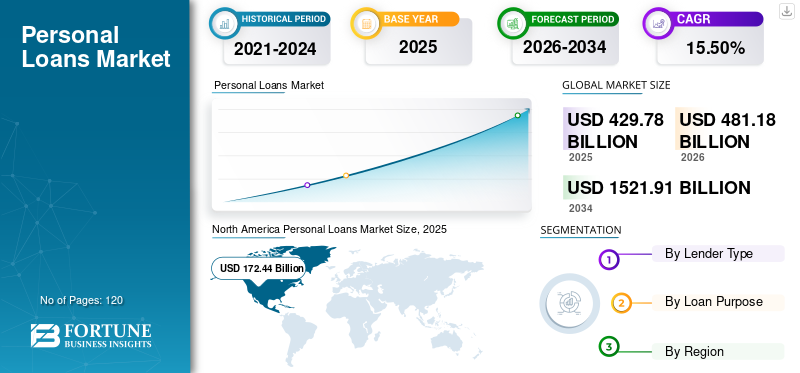
The landscape of personal lending has evolved dramatically over the past decade, shifting from brick‑and‑mortar banks to a vibrant ecosystem of online marketplaces and fintech lenders. By early 2026, borrowers have more choices than ever, but that abundance also brings complexity. Understanding key trends—such as fee structures, credit score thresholds, and lender comparison tools—is essential for making an informed decision.
For those looking to explore alternative borrowing options, Jetzloan offers a streamlined application process that lets you compare rates from multiple lenders in minutes. The platform’s soft‑credit pull ensures your credit score remains untouched while you shop for the best terms.
1. Market Segmentation: Where Do You Fit?
Personal loan providers typically segment their offerings into categories based on borrower profile and use case. The most common segments include:
- Quick‑Cash Lenders: Low minimum amounts ($500–$5,000) with rapid approval.
- Debt Consolidation Specialists: Loans designed to pay off credit cards or other high‑interest debts.
- Large‑Purchase Financiers: Institutions offering up to $100,000 for major expenses.
- Marketplace Aggregators: Platforms that pull quotes from dozens of lenders in a single dashboard.
Choosing the right segment hinges on your financial goals and credit profile. For example, if you have a solid score but need to streamline several smaller balances, a debt‑consolidation lender may offer more favorable rates than a quick‑cash provider that prioritizes speed over cost.
Credit Score Considerations
In 2026, the average APR for a 24‑month personal loan hovers around 11.14%, as reported by the Federal Reserve (source: Money.com). Lenders typically require scores ranging from 580 to 750, but some fintechs—like Upstart—claim no minimum score if you can demonstrate stable income and employment. However, higher credit thresholds often translate into lower interest rates and more flexible terms.
Borrowers with scores below 620 may still find competitive options by leveraging co‑signers or secured loans that use collateral such as a vehicle or home equity. Secured products generally carry reduced APRs because the lender’s risk is mitigated.
2. Fee Structures: The Hidden Costs of Borrowing
While many online lenders advertise “no hidden fees,” the reality is more nuanced. Common fee types include:
- Origination Fees: A percentage of the loan amount, typically ranging from 0.99% to 12%.
- Prepayment Penalties: Charges for paying off a loan early; most modern lenders waive these fees.
- Late Payment Fees: Extra charges if you miss a payment deadline.
- Processing Fees: Flat or variable costs associated with underwriting and documentation.
For instance, Best Egg’s origination fee ranges from 0.99% to 9.99%, while Upstart may charge up to 12%. These fees can add thousands of dollars in additional cost over the life of a loan. Always calculate the total cost of borrowing by factoring in both APR and fees.
Case Study: Comparing Two Lenders
| Lender | APR Range | Origination Fee | Loan Term |
|---|---|---|---|
| Credible Marketplace | 6.25%–35.99% | Varies by partner lender | 1–7 years |
| Best Egg | 5.99%–30.00% | 0.99%–9.99% | 2–5 years |
Credible’s marketplace model allows you to compare multiple quotes before committing, potentially saving up to $200 with its Best Rate Guarantee (source: Money.com Credible Review). In contrast, Best Egg offers a single lender experience but compensates with faster funding—often within one business day.
3. The Role of Technology in Loan Comparison
The proliferation of fintech has democratized access to credit. Platforms like Jetzloan and Credible use algorithms to match borrowers with lenders that fit their financial profile, reducing the time spent on manual applications. Soft‑credit pulls are a standard feature, allowing users to shop for rates without impacting their score.
Another innovation is the “Best Rate Guarantee” found in some marketplaces. If you secure a lower rate from another lender within eight days of receiving an offer, the platform will refund a $200 gift card (source: Credible Review). This incentive aligns the marketplace’s interests with the borrower’s cost savings.
Speed vs. Savings
Borrowers often weigh two competing priorities: rapid funding and low interest rates. Quick‑cash lenders may approve in minutes but charge higher APRs to compensate for their speed. Conversely, larger institutions like SoFi or LendingClub offer lower rates but may require a few days for underwriting.
When time is of the essence—such as consolidating an emergency credit card balance—a fast lender could be worth the premium. However, if you have a month to research, compare offers, and negotiate terms, a slower yet cheaper option may be preferable.
4. Regulatory Landscape and Consumer Protections
The U.S. consumer finance industry remains heavily regulated, with laws like the Truth in Lending Act (TILA) ensuring transparency of APRs and fees. Lenders must disclose all costs upfront, allowing borrowers to calculate the true cost of credit. Moreover, the Fair Credit Reporting Act (FCRA) protects consumers from inaccurate credit reporting.
In 2026, regulators have tightened scrutiny on predatory practices such as hidden fees or aggressive debt collection tactics. Consumers should verify that lenders are licensed in their state and report to agencies like the Consumer Financial Protection Bureau (CFPB). A quick check of a lender’s BBB rating can also provide insight into customer satisfaction.
Consumer Advice: How to Vet Lenders
- Check State Licensing: Ensure the lender holds an NMLS license for your state.
- Read Customer Reviews: Platforms like NerdWallet aggregate user feedback.
- Verify Fee Transparency: Look for clear breakdowns of origination and processing fees.
- Ask About Prepayment Penalties: Confirm there are no hidden costs for early repayment.
Adhering to these steps can safeguard against costly surprises and help you secure the most favorable terms.
5. Emerging Trends: What’s Next in Personal Lending?
The personal loan market continues to innovate, with several promising developments on the horizon:
- AI‑Driven Credit Scoring: Machine learning models that consider alternative data—such as utility payments or subscription histories—to assess creditworthiness.
- Blockchain‑Based Lending: Decentralized platforms that reduce intermediaries, potentially lowering fees and increasing transparency.
- Subscription Loan Models: Flexible repayment plans where borrowers pay a fixed monthly fee regardless of balance changes.
- Environmental, Social, Governance (ESG) Lenders: Institutions offering green loans with incentives for eco‑friendly projects.
These innovations promise to make borrowing more personalized and accessible. However, they also require consumers to stay informed about how new technologies affect interest rates, fees, and repayment flexibility.
Preparing for the Future
Staying ahead of market shifts involves continuous education. Subscribe to reputable financial news outlets—such as Money.com or NerdWallet—to receive updates on regulatory changes, lender innovations, and rate movements. Additionally, maintain a healthy credit profile by paying bills on time, keeping balances low, and monitoring your credit report regularly.
In an era where financial decisions can shape long‑term well‑being, the right personal loan—chosen with diligence and informed insight—can serve as a powerful tool for achieving goals ranging from debt consolidation to home improvement. By leveraging technology, understanding fee structures, and staying compliant with regulations, borrowers in 2026 can navigate this dynamic landscape with confidence.
